
Can I Touch My Windows After Tinting? Inside vs. Outside
Leave fresh tint alone on the inside. Learn what to do after an accidental touch, when to clean or lower windows, and which signs need an installer.
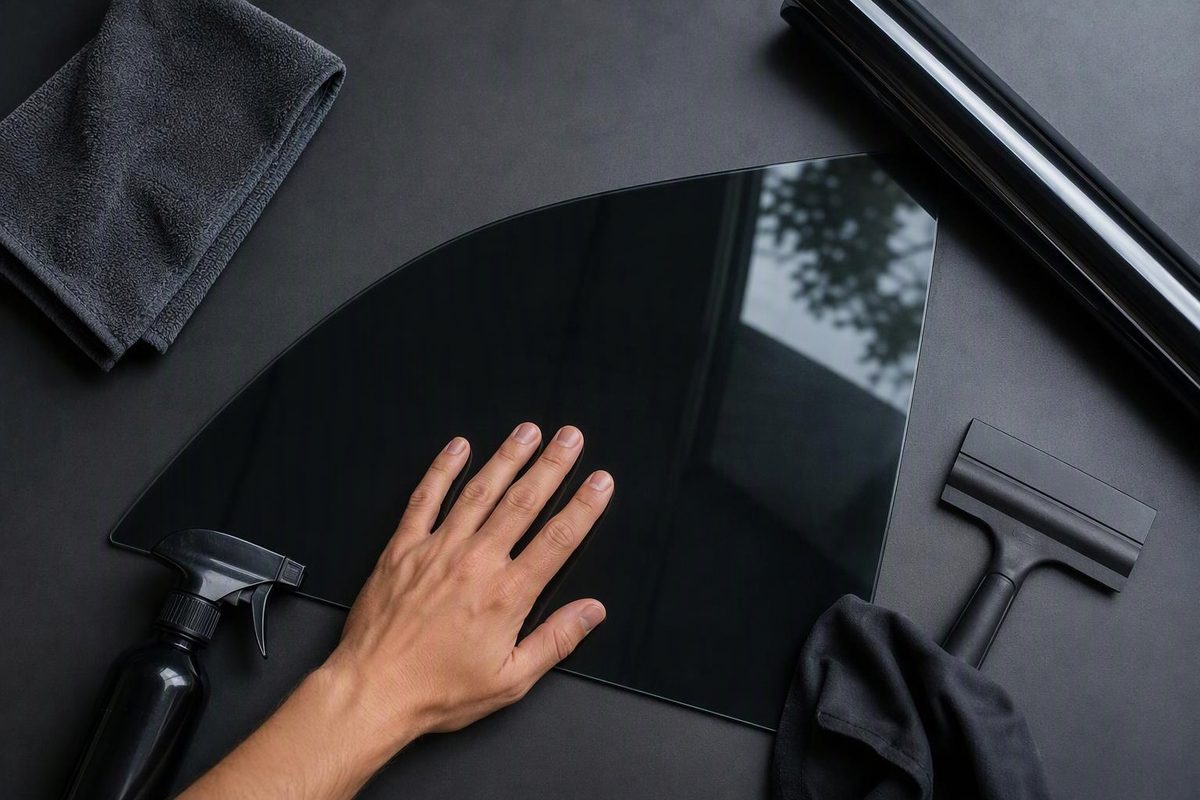
Avoid deliberately touching the inside of freshly tinted car windows while the film is bonding. Touching the outside glass is different: automotive tint is typically installed on the interior surface, so ordinary contact with the exterior glass does not touch the film on that type of installation. LLumar confirms this installation position.
If you accidentally brushed the inside once, that alone does not establish that the tint is ruined. Leave it alone, look for visible damage without pressing on it, and follow your installer’s aftercare instructions. Do not immediately wipe away a fingerprint.
What kind of contact should you avoid?
During the initial bonding period, keep hands, cleaning cloths and accessories off the film. In particular:
- Do not rub or scrub the tinted surface.
- Do not pick at the edges with a fingernail.
- Do not press or poke bubbles to try to flatten them.
- Do not attach tape, stickers or suction-cup accessories without checking the film’s care instructions.
Midwest Tinting’s instructions specifically say not to touch or clean the inside for the first week, press bubbles, or put tape and suction cups on the film. 3M’s Singapore aftercare guidance also warns against peeling at film edges.
How long should you wait?
Use the instructions supplied for your film and installation—not one universal “tint cure time.” Permission to lower the window and permission to clean the film may come at different times.
For example, 3M’s automotive product care guide says not to open or close the windows, or clean them, for at least 48 hours after installation so the tint can bond properly. That is a minimum in 3M’s guide, not a promise that every tint job is ready for handling after two days.
Midwest Tinting gives its customers a longer schedule: no interior touching or cleaning for one week, with windows kept up for 2–3 days in hot weather or 3–5 days in cold weather. Follow a longer wait specified by your shop; if you received no instructions, ask when you can lower the glass and when you can clean the inside.
If you already touched it
Stop handling the area and inspect it visually. If there is no obvious change, leave it undisturbed rather than repeatedly checking it with your fingers.
If you see a new scratch, crease, lifted edge or displaced section, photograph it and contact the installer. Do not attempt to push the film back into place or repair it with a card, blade or heat gun.
Small water pockets or a hazy appearance can occur after installation and do not, by themselves, prove your touch caused damage. 3M’s Singapore automotive care guidance explains that temporary water bubbles and haze can disappear as moisture evaporates. Leave them alone and ask the installer to inspect anything that persists beyond the drying period they gave you.
Cleaning once the shop gives the go-ahead
Use a clean, soft, non-abrasive cloth and a cleaner approved for your particular film. Avoid brushes, abrasive pads and dirty cloths that can drag grit across the surface. 3M recommends soft cloths, clean water and non-abrasive pH-neutral glass cleaners.
A fingerprint can wait. Protecting the fresh installation matters more than making the inside glass spotless on pickup day.