
Can You Tint a Leased Car? Check Permission and Removal First
You may be able to tint a leased car, but legal tint can still trigger return charges. Check lessor approval, removal rules and installation risks.
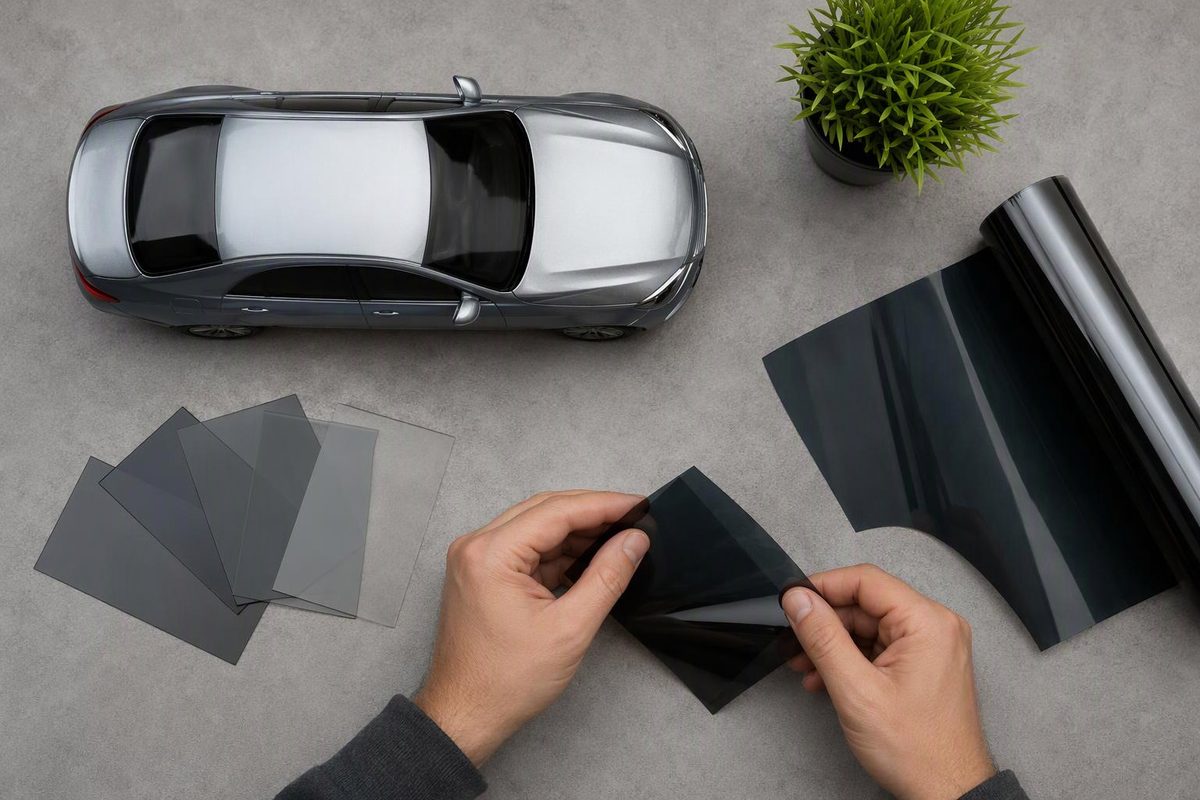
You may be able to tint a leased car, but don’t assume you can return it with the film still installed. Before booking, check your lease agreement, get the lessor’s requirements in writing, and verify the tint rules for your vehicle and state. Permission to install film and permission to leave it on at lease-end are separate questions. This guide uses U.S. lease policies and tint rules.
Removable does not automatically mean lease-approved. Tesla, for example, offers an XPEL tint program but explicitly says film installed on leased vehicles must be removed before returning the vehicle to Tesla. Tesla’s tint product page makes that distinction clear.
Check the lease before choosing a shade
Start with the company named as the lessor in your agreement—not just the vehicle brand or the salesperson who delivered the car. Look for provisions covering alterations, accessories, original condition, and excess wear and use.
Send the lessor a specific request:
May I install aftermarket window film on this leased vehicle? Which windows may be covered, is written approval required, and must the film be removed before return? Please confirm any lease-end conditions for my account.
Include the planned windows and film shade. Keep the response with your lease documents and installation invoice. Treat a salesperson’s verbal reassurance as a reason to seek confirmation, not as a substitute for it.
Two official U.S. policies show why a blanket answer is unreliable. As reviewed October 1, 2026:
- Tesla: Its lease-end guidance requires removal of aftermarket parts or modifications, including changes to the original factory window tint. Failure to remove them before return may result in additional fees. Tesla lease-end options
- Toyota Financial Services: Its wear-and-use examples include “damaged, broken, or non-factory tinted glass” and modifications not present at lease inception. Those examples are not an installation permission policy; they are a reason to clarify potential return charges before adding film. Toyota Financial Services wear-and-use guidance
If the car already had dealer-installed film when you leased it, retain the delivery photos and paperwork showing that condition. Ask how that existing film will be treated at return rather than assuming it counts as factory tint.
Legal tint and lease-approved tint are different
Lessor approval does not establish road legality, and legal film does not establish lease-end acceptance.
Check current official rules by window position and vehicle class, including windshield restrictions and reflectance limits. VLT—visible light transmittance—describes how much visible light passes through; a lower number means darker glazing. Where the rule applies to the glass-and-film combination, the film’s advertised percentage alone is insufficient.
For example, absent an applicable exemption, Texas DPS specifies at least 25% light transmission through the film and original glass together on the side windows immediately beside the driver. That is a Texas requirement, not a nationwide limit. Verify current requirements with your state DMV or responsible agency before installation. Texas DPS window-tint standards
Choose darkness for lawful visibility and privacy needs, then compare heat-control performance separately. Our automotive film selection guide explains the buying factors beyond shade.
Budget for installation—and possibly removal
Ask the installer for two itemized quotes: the installation you want now and professional removal before return. Identify every window included, especially the rear glass, windshield and roof. Use our car-window tint cost guide to compare packages with the same scope.
For a lease, judge the expense over the months you expect to use it:
Monthly tint cost = (installation + required removal) ÷ months of use
For illustration only, a $450 installation plus $150 removal over 30 months works out to $20 per month. Those are hypothetical numbers, not a market quote.
Removal also needs care. Installer Solar Shield explains that sharp blades can damage rear-defroster wires and describes using steam to assist film removal instead. Ask your shop how it protects those lines and handles any damage; don’t treat “it peels off” as a guarantee of a risk-free return. Solar Shield’s defroster guidance
If the car is already tinted
Confirm the return requirement now and arrange a pre-return inspection on your lessor’s schedule. GM Financial recommends completing its complimentary inspection two to four months before lease maturity to leave time for repairs or planning for charges. Toyota Financial Services recommends its courtesy pre-inspection within 60 days of return, subject to stated availability exclusions. GM Financial lease-end process · Toyota inspection guidance
If removal is required, book it early enough to inspect the glass and test the rear defroster afterward. Keep receipts and dated photos.